


50 Years of Talking Books: A Legacy of Accessible Reading
October 2026
Celebrated Florida author and environmentalist Marjory Stoneman Douglas experienced severe vision loss that made reading standard print extremely difficult and she said her “life would have been completely ruined without the services of Talking Books.”
For 50 years, the Miami-Dade Public Library System's Braille & Talking Books Library (Talking Books) has helped readers like Douglas access books and information. The Library established a partnership with the National Library Service for the Blind and Print Disabled (NLS) in 1976 to provide readers in Miami-Dade and Monroe counties with books in accessible formats.
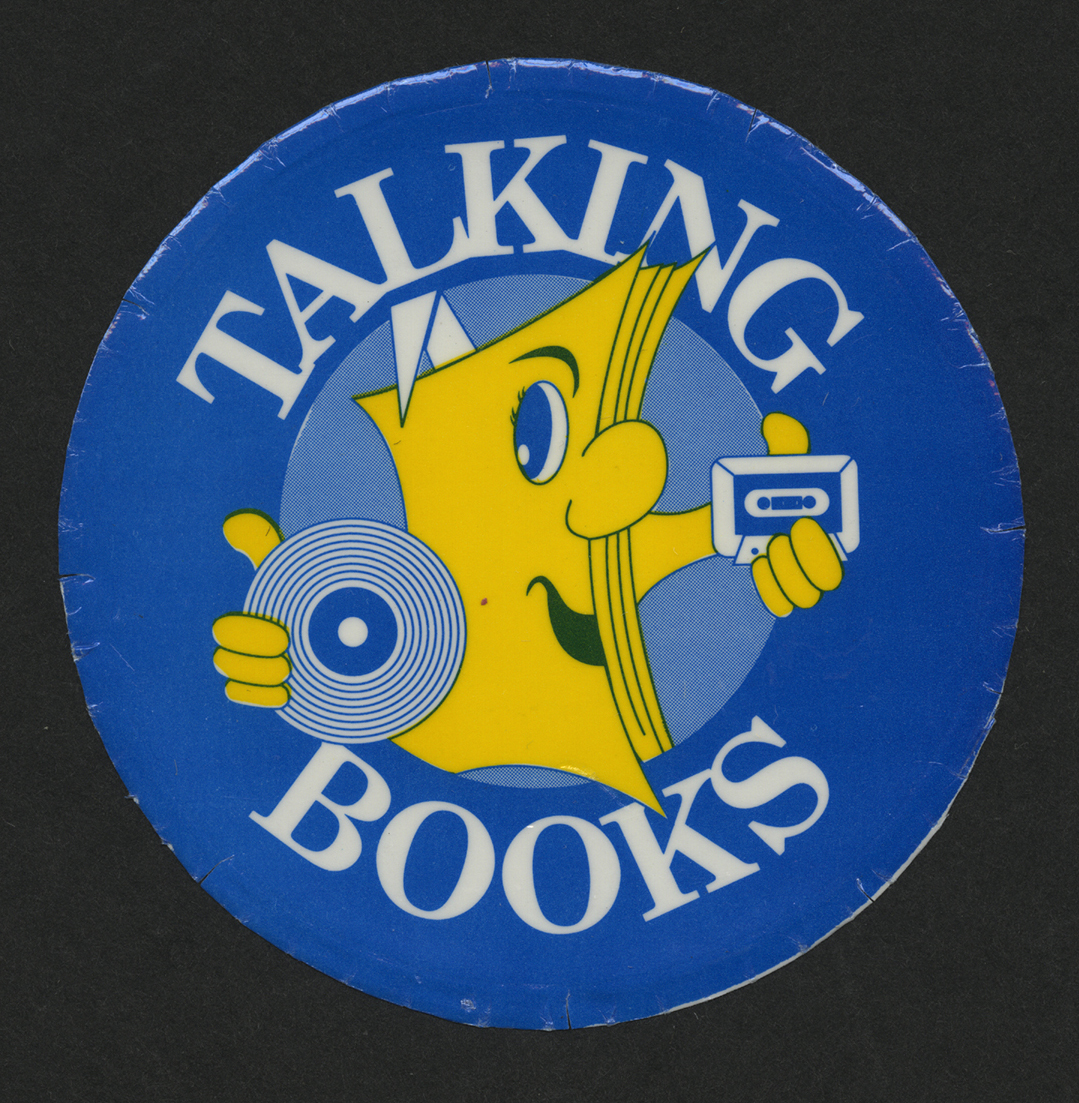
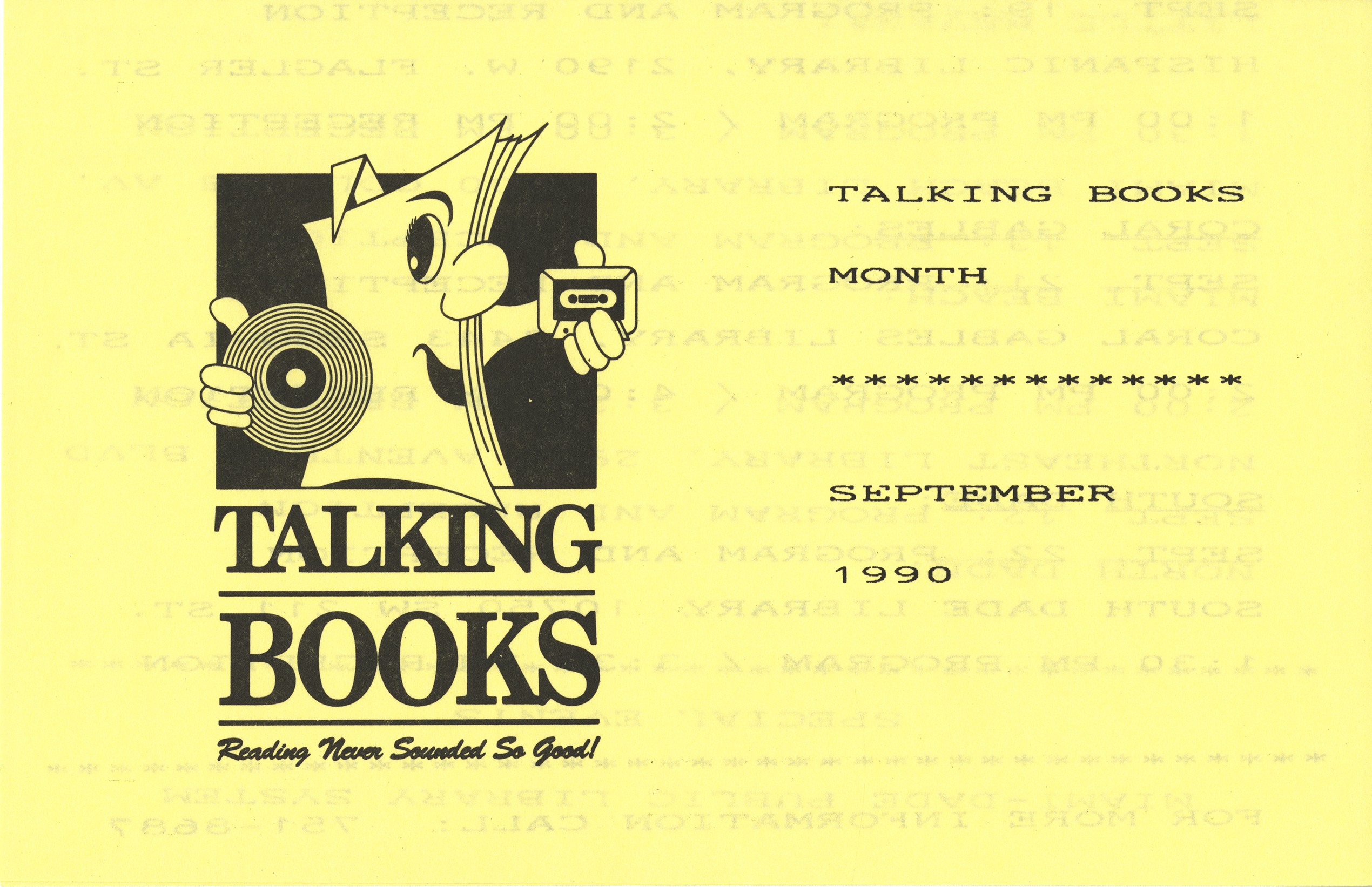
Over the past 50 years, Talking Books has had a major impact on the lives of its patrons. In this 1985 archival video, Douglas speaks about losing her sight and using the “perfectly marvelous service” of Talking Books to continue reading. Her experience offers a powerful example of the impact of the service, which helped her continue accessing books and information as her vision declined.
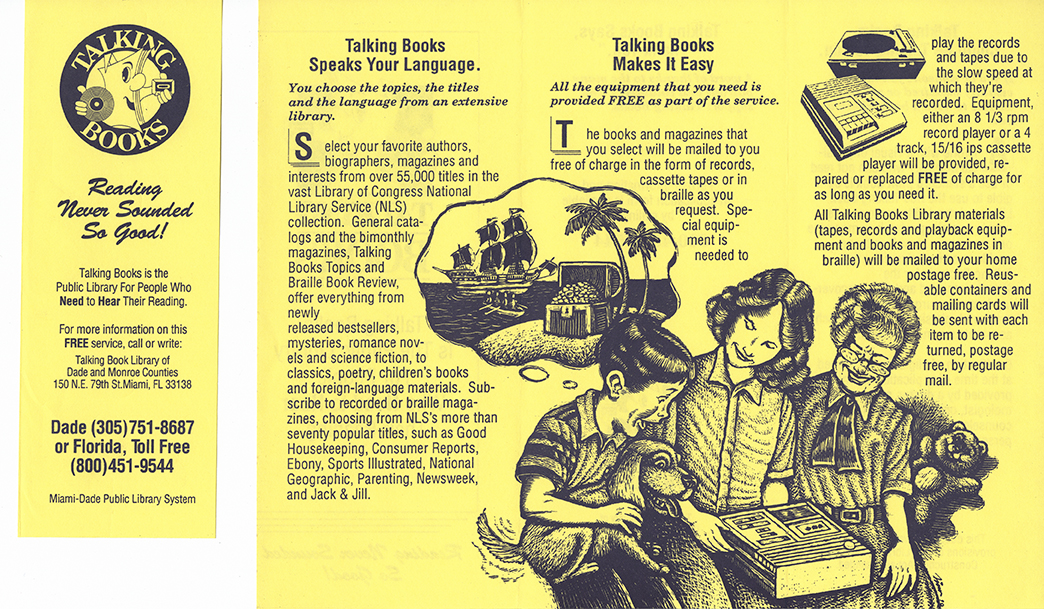
While the Library has been providing accessible reading materials to our community since 1976, the national program has a much longer history. In 1931, Congress passed the Pratt-Smoot Act and established “The Project, Books for the Adult Blind” through the Library of Congress – what is now known as the NLS – to provide blind adults with access to braille books. In 1934, the program expanded to include talking books when advances in recording technology made complete talking books practical. Since then, there have been several formats for talking books, including vinyl records, cassette tapes and digital cartridges, becoming more portable and widely available to people with print disabilities.
Today, Talking Books patrons have a choice of three accessible audiobook players they can borrow at no charge or they may use their own electronic devices with the BARD (Braille and Audio Reading Download) app to access 350,000 audiobooks through the Library of Congress. In addition to Braille books, Talking Books also has available Braille eReaders that convert the titles in the collection to Braille.
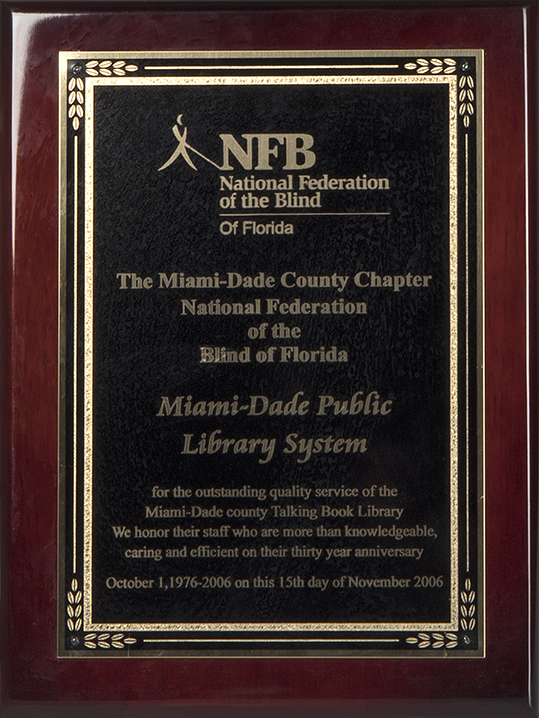
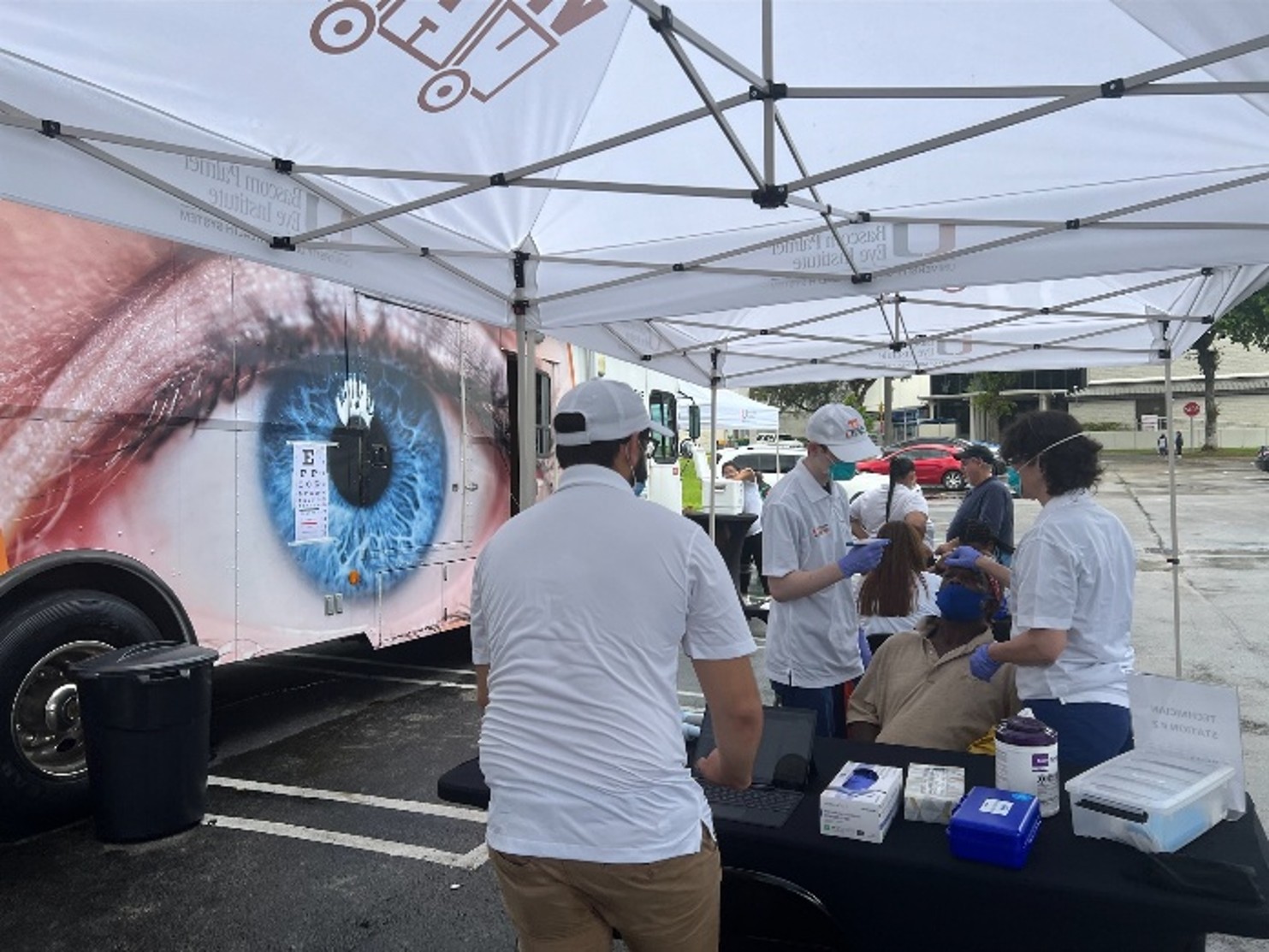
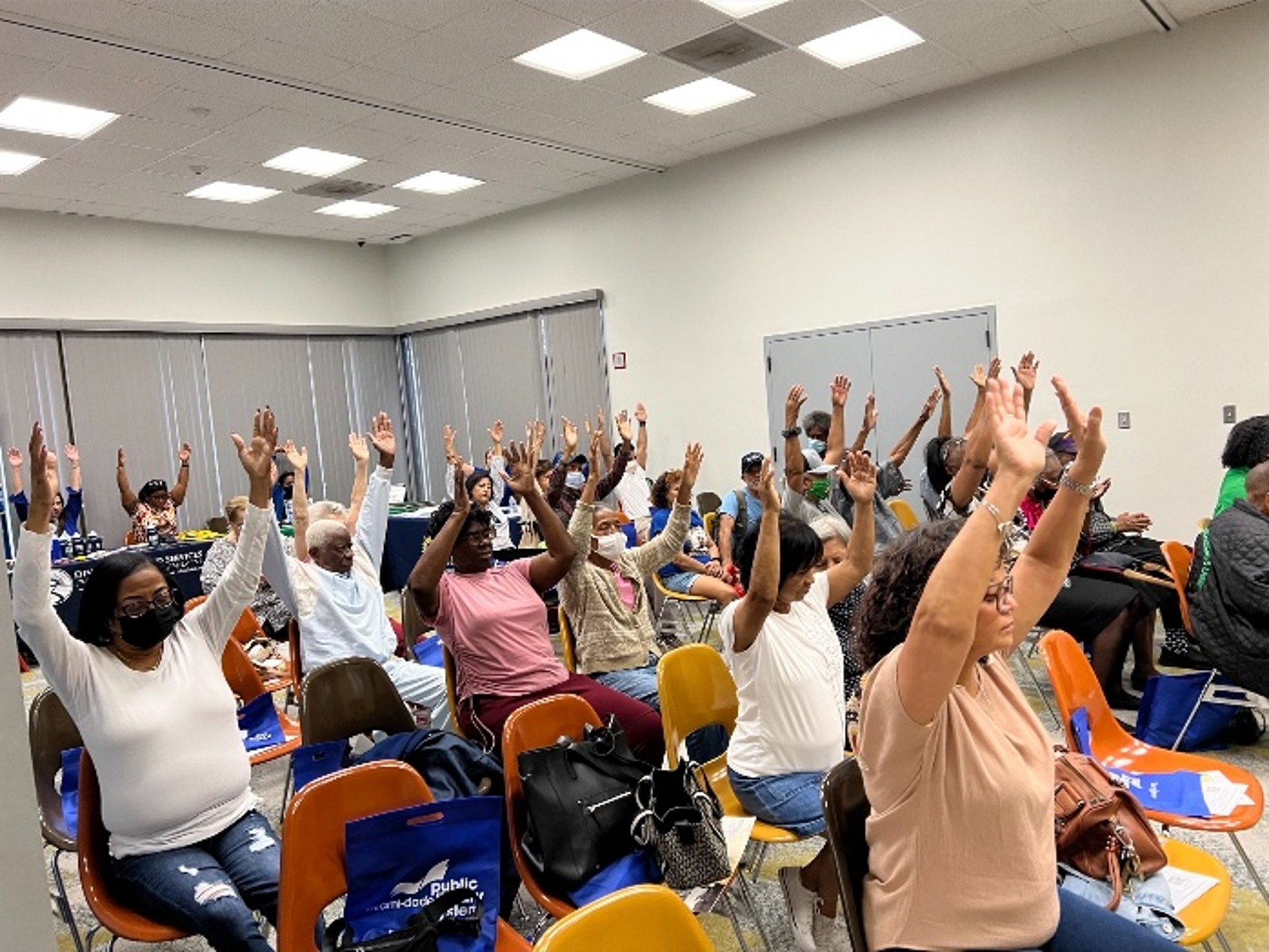
Talking Books does more than just connect readers with accessible books. The Talking Books team does extensive outreach in the community, works closely with the Miami Lighthouse for the Blind and has hosted an annual Living with Low Vision Seminar for eight years. This signature event brings together various organizations that provide services, resources and support for people with disabilities. Participants have enjoyed tactile-friendly art classes, tried the latest gadgets that can help people living with low vision, received free eye screenings, interacted with tactile multisensory art exhibits and explored presentations on low-vision-related health topics.
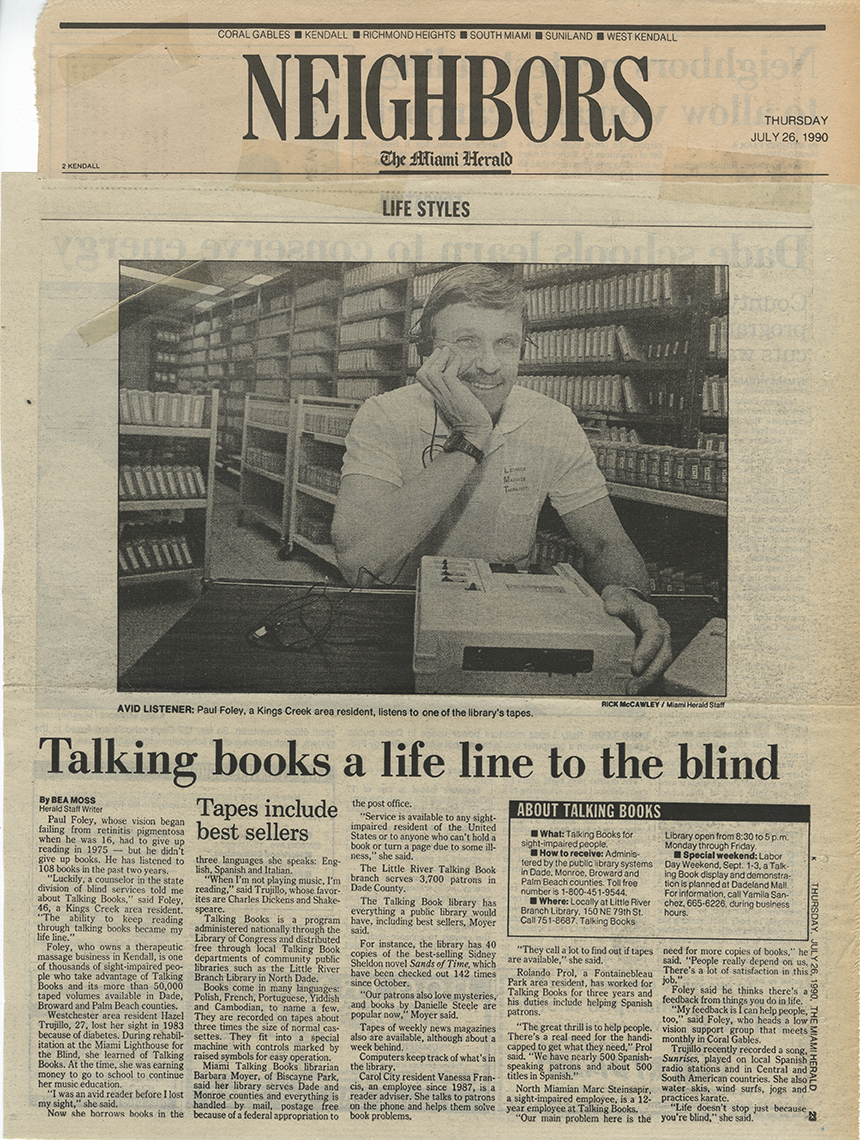
To explore the history of Talking Books in the Miami-Dade Public Library System, learn about patrons whose lives were impacted by the service and read articles from local newspapers, browse our digitized scrapbook.
To learn more about the Braille & Talking Books Library, including the eligibility requirements and how to apply, click here.